Ready to trade your starter home for more space, a yard, and a long-term fit in Pittsburgh’s South Hills? If Upper St. Clair has caught your eye, you are not alone. Many move-up buyers choose USC for its established neighborhoods, larger lots, and strong public schools. In this guide, you will learn how USC’s housing stock fits move-up needs, what to expect with commuting, how taxes and services work, and smart ways to time your sale and purchase. Let’s dive in.
Why move up to Upper St. Clair
Upper St. Clair is an established, primarily residential township in Allegheny County’s South Hills. You will find a range of homes from mid-century classics to newer custom builds, set on tree-lined streets with parks and township services. Prices in USC are generally higher than county and state medians, so it helps to enter the market with a clear plan and strong representation.
USC is not one uniform neighborhood. It includes multiple pockets and subdivisions, each with different lot sizes, home styles, and renovation levels. That variety gives you options, whether you want a move-in-ready home or a property where you can add value over time.
Neighborhoods and home types
What you will find in USC
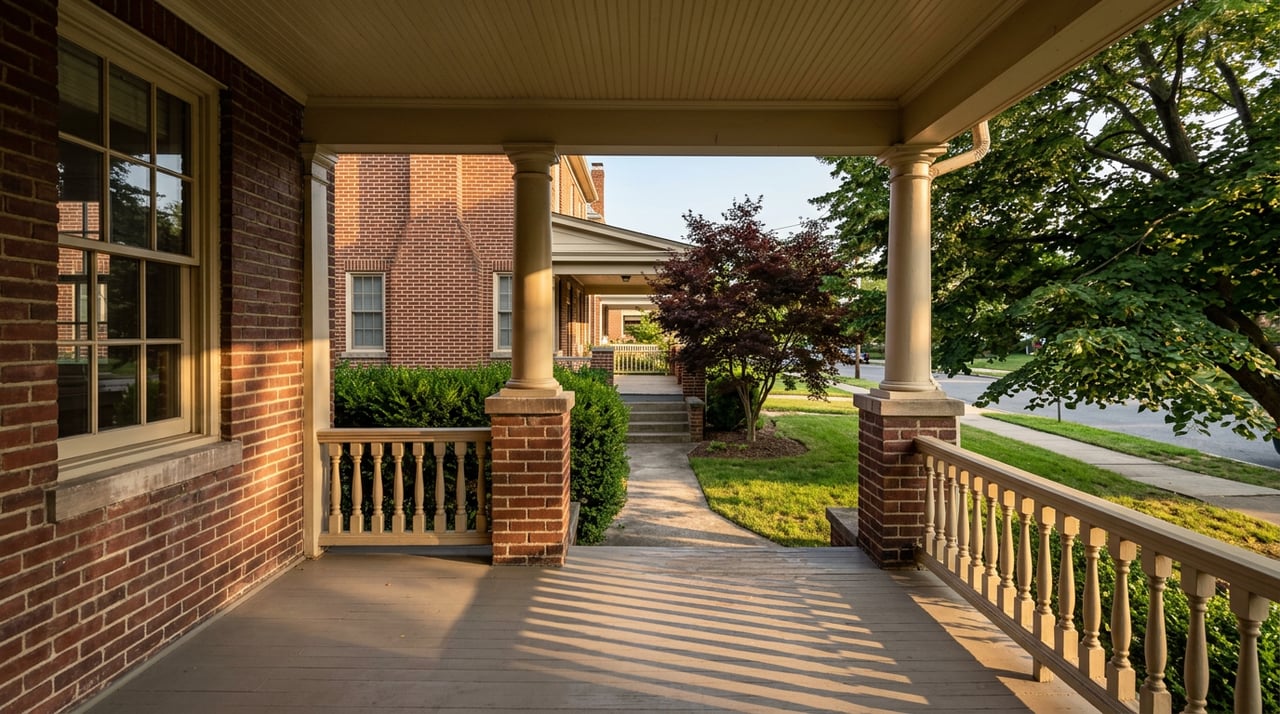
USC’s housing spans several eras. You will see pre- and post–World War II homes, large suburban developments from the 1950s through the 1980s, and infill or custom builds from the 1990s to today. This mix creates a wide range of footprints and yard sizes, from modest lots to larger parcels that feel private.
Architectural styles include ranch and split-level homes from the 1950s to 1970s, mid-century colonials and Cape Cods, and larger contemporary or custom homes with expansive layouts. Many streets are quiet and residential, with mature landscaping and established utilities.
Common single-family features
Move-up buyers in USC often look for:
- 3–5 or more bedrooms, often with a modernized primary suite
- 2–4 full baths, with many homes featuring finished or finishable basements
- Attached 1–3 car garages, with larger custom homes sometimes offering more
- Kitchens with island seating or open plans, or clear potential for a full renovation
- Larger yards, mature trees, and outdoor living potential on roughly 0.2–0.7 acre lots
- Systems and mechanicals that vary by age, so you may budget for HVAC, windows, or roof updates
Common selling points include access to a frequently high-performing school district, larger lots than many city neighborhoods, and community amenities such as parks and trails. You will find both turnkey options and properties ready for expansion or renovation.
Price tiers and value
Because USC includes many home types and ages, it helps to think in tiers rather than fixed prices:
- Entry move-up: modest single-family homes that may need modernization
- Mid-tier move-up: larger homes with updated kitchens, finished basements, and bigger lots
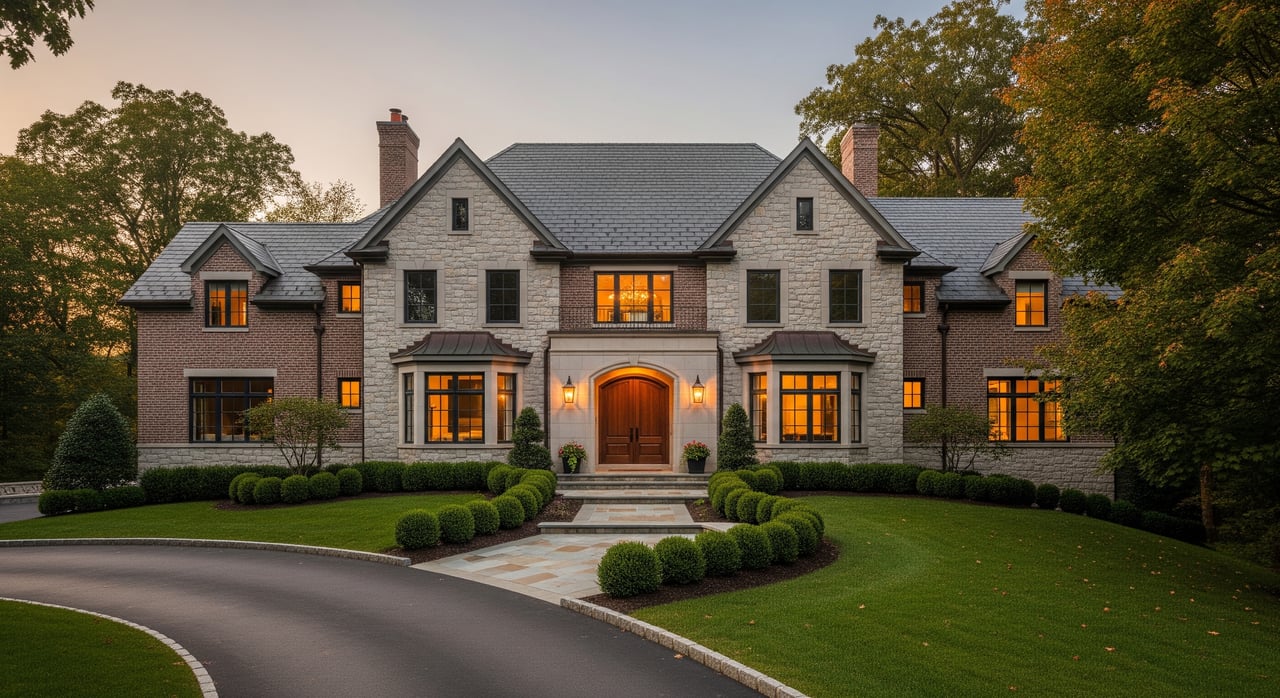
- Upper or luxury: newer or extensively renovated custom homes with premium finishes and multiple living areas
Before you act, pull current numbers for median price, price per square foot, and days on market. You can review trends using resources like Zillow Research, the Redfin Data Center, and Realtor.com Research.
Commute and transportation
Driving to Pittsburgh
USC’s main arterial is Washington Road, also known as US-19, with connected township roads that link to downtown Pittsburgh and other South Hills suburbs. Typical drive times to downtown are often in the 20 to 35 minute range based on time of day and traffic. If a consistent commute matters, consider proximity to arterials and test drive times during your usual commute window.
Peak-hour congestion can add minutes. Check your preferred mapping app for real-time estimates and keep an eye on state road updates through PennDOT resources. For buyers with flexible work schedules, off-peak travel can make USC commutes feel shorter and more predictable.
Transit and walkability
Bus service in the South Hills is operated by the Port Authority of Allegheny County. Some routes serve Upper St. Clair and connect to the light rail and downtown. Transit frequency is lower in suburbs, so verify nearby stops and schedules via the Port Authority route and schedule pages.
USC is primarily suburban and auto-oriented. Some subdivisions and areas near civic or commercial nodes have sidewalks and local trails, but walkability to shops and restaurants is limited compared with denser suburbs or city neighborhoods. If walkability is a priority, ask about the specific distance to the township’s commercial corridors or civic center.
Schools, taxes, and services
School district overview
The Upper St. Clair School District is often a key factor for move-up buyers. It is frequently ranked highly at the regional and state level. Explore program offerings, boundaries, and resources directly on the Upper St. Clair School District website, and cross-check third-party rankings on Niche’s profile of the district. Ask your agent to confirm elementary boundaries for the properties you are considering.
Property taxes and utilities
Property tax bills include township, county, and school district components, with the school levy typically the largest share. USC’s total tax burden tends to be higher than some nearby communities. Request the most recent tax bill for any home you consider and review property records through the Allegheny County assessment and tax site.
Most properties are on municipal water and sewer. Confirm service type for each address and ask for typical utility and maintenance costs. Review township services and permits through the Upper St. Clair Township site.
HOA and permits
Some newer developments or certain subdivisions may have homeowner association covenants and fees, but HOA coverage is not universal in USC. Review the deed, HOA documents, and any township permit history with your agent so you understand fees, restrictions, and recent work.
How to time your sale and purchase
Common challenges
Coordinating the sale of your current home with the purchase of a larger home is a balancing act. The two main risks are needing to carry two mortgages for a short period or, on the other side, not being able to close on your new home because your current home has not sold. Planning ahead reduces stress and costs.
Strategy options
- Contingent offer (home-sale contingency). This reduces the risk of owning two homes but may be less attractive to sellers when the market is competitive. It is more feasible if your current home is already under contract. For guidance on contingencies and contracts, review resources from the National Association of Realtors.
- Bridge financing or a HELOC. These can fund your down payment before you sell, which helps you write a stronger offer and close faster. The tradeoff is added cost and qualifying requirements. Talk with a lender early to understand your options.
- Rent-back after closing. If you sell first, negotiate a short rent-back so you can stay in your home for a few weeks after closing while you finalize your USC purchase. Get clear, written terms on occupancy, deposit, and liability.
- Offer-strength alternatives. If you cannot include a sale contingency, consider an escalation clause, a larger earnest money deposit, or faster inspection and closing timelines to compete.
A simple move-up timeline
- Scenario A — Sell first, then buy. List your home, accept an offer, negotiate a rent-back if needed, then shop and close on the USC home with less risk of double carry.
- Scenario B — Buy first, then sell. Secure pre-approval and explore bridge financing or a HELOC. Plan for a short overlap in carrying costs, and keep inspection and appraisal contingencies to protect yourself.
- Scenario C — Close both the same week. Link closing dates on both transactions. Prepare backup plans for delays, such as storage, flexible movers, or a short-term rental.
Move-up checklist
Use this quick checklist to stay on track:
- Get pre-approved and discuss bridge or HELOC options with a lender
- Hire an experienced local agent to coordinate sale and purchase timelines
- Price and prep your current home for market quality photos, staging, and marketing matter
- Decide your contingency strategy and offer-strength levers before you tour
- Budget for potential overlap in mortgage, utilities, and moving costs
- Verify school boundaries, HOA details, and municipal service info for target addresses
- Check real-time commute times and, if needed, nearby bus routes and frequency
- Confirm recent tax bills and typical utility costs for any home you offer on
Seasonality and negotiation tips
Spring often brings the most new listings and buyer activity in suburban Pittsburgh, including USC. You may find more choice but also more competition. Fall and winter can be quieter, with fewer listings and sometimes more flexible sellers.
Balance offer strength with your risk tolerance. Price is one lever, but terms matter too. Shorter inspection periods, flexible closing dates, and clear financing can improve your position. To understand the current level of competition, review months of supply and days on market using the Redfin Data Center and broader trends from Zillow Research or Realtor.com Research.
Resale-focused upgrades
If you plan to renovate after you buy, prioritize updates that attract the widest pool of future buyers. In USC, many move-up shoppers value an updated kitchen, refreshed bathrooms, energy-efficient systems, functional mudroom or garage storage, finished basements, and strong curb appeal. A thorough home inspection plus contractor estimates will help you budget smartly and avoid surprises.
How The Bingham Team helps move-up buyers
When you are selling and buying at the same time, expert coordination is everything. The Bingham Team pairs boutique neighborhood expertise with the scale and systems of a leading brokerage to reduce friction at each step. You get senior-led pricing and negotiation, professional photography and marketing, and a repeatable delivery system that includes a transaction coordinator and interior design consultant to elevate presentation.
For buyers, we help you compare neighborhoods and home types, verify commute and school details, and structure offers that compete without adding unnecessary risk. For sellers, we build demand with multi-channel exposure and polished presentation so your listing moves quickly and at the right price. If you are eyeing Upper St. Clair, we will map your timeline, line up financing options, and manage both closings with care.
Ready to make your move? Connect with The Bingham Team for a tailored plan and Get Your Free Home Valuation.
FAQs
Is USC more expensive than other South Hills towns?
- In many cases yes. USC is often priced above nearby communities due to its reputation and school district. Review current comparisons using MLS data and sources like Zillow and Redfin.
How long is the commute from USC to downtown Pittsburgh?
- Typical drive times are often around 20 to 35 minutes depending on traffic and time of day. Test your route during peak times and consider proximity to US-19 for consistency.
Does Upper St. Clair have good public schools?
- The district is frequently highly ranked. Review programs and performance on the Upper St. Clair School District site and third-party rankings on Niche.
Do all USC neighborhoods have HOAs?
- No. Some newer developments or specific subdivisions have HOA covenants and fees, but many areas do not. Ask for HOA documents with any home you are considering.
Should I sell my current home before buying in USC?
- It depends on your financing and risk comfort. Selling first lowers the risk of double carry, while buying first can work with bridge financing or a HELOC. Discuss options with your lender and agent.