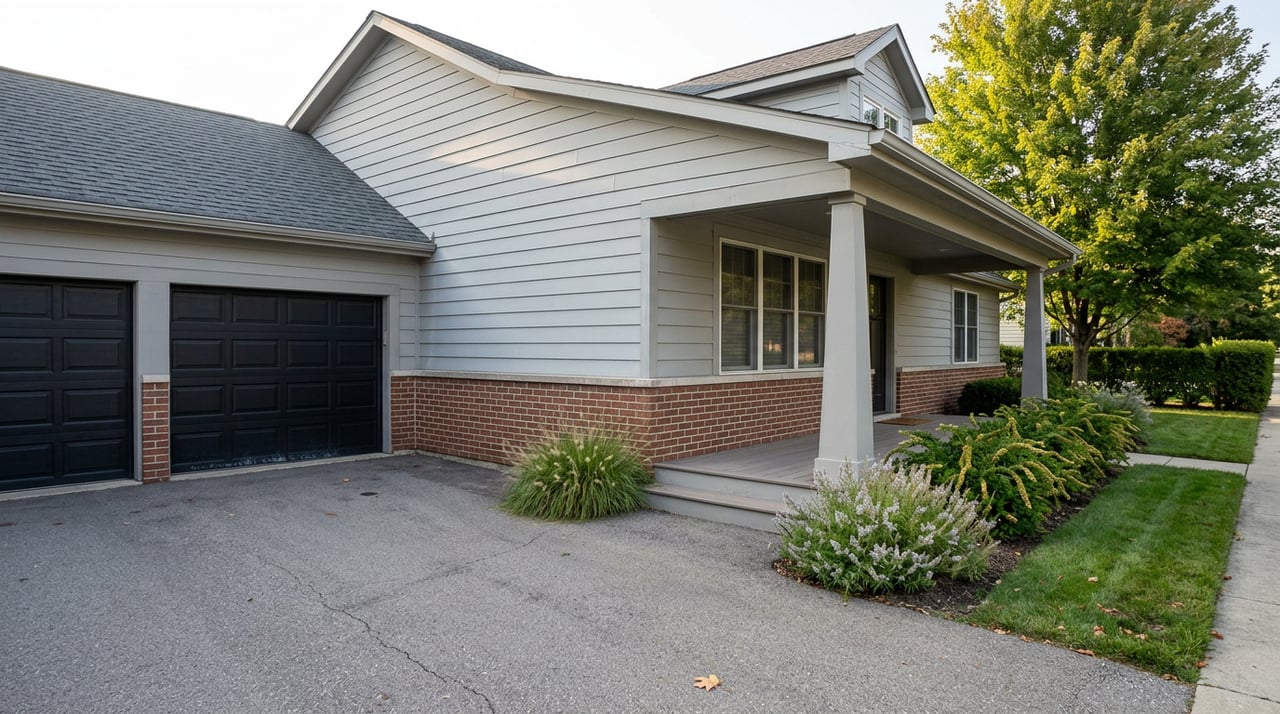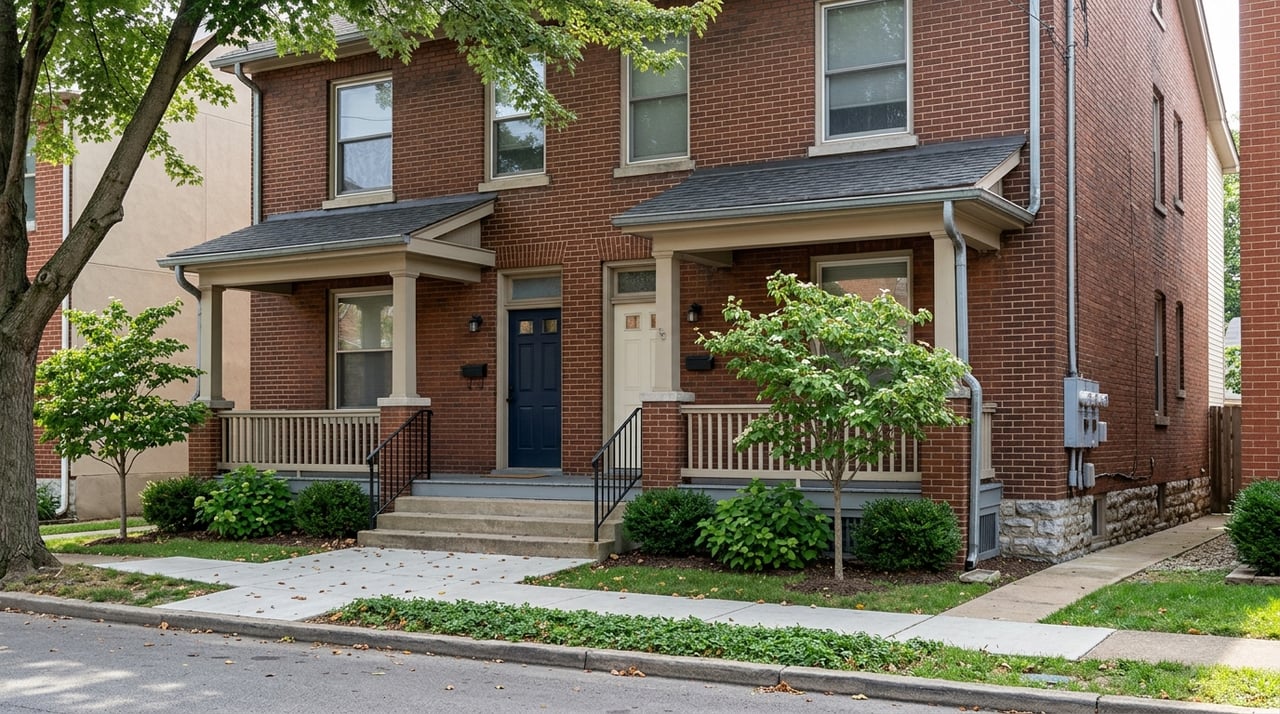
Thinking about buying a duplex or triplex around Pittsburgh? You are looking at a property type that is not just common here, but deeply woven into the city’s housing stock. That can create real long-term opportunity, especially if you want rental income, a house-hack setup, or a smaller multifamily hold with room to grow. The key is knowing how to evaluate rents, legal use, taxes, and city compliance before you buy. Let’s dive in.
Why Pittsburgh small multifamily stands out
Small multifamily homes are a meaningful part of Pittsburgh’s housing market. According to the city’s housing tables, 2-to-4-unit properties account for 25,265 units, or about 16% of all residential properties in the city, and the city’s housing needs assessment says single-family and 2-to-4-unit rentals together make up 55% of the rental housing stock. That means duplexes, triplexes, and similar properties are not niche investments here. They are part of the market’s core inventory.
For you as an investor, that matters because it supports a more established renter base and a more familiar product type across many city neighborhoods. It also means you can find opportunities that fit different goals, from owner-occupied house hacks to longer-term income properties. If you want to review the city’s broader housing context, the data appears in Pittsburgh’s Five-Year Consolidated Plan.
Understand building type before you underwrite
Not every small multifamily building follows the same rules. Pittsburgh’s structure type guidance explains that detached two-family dwellings up to three stories are treated as residential, while attached single-family and two-family dwellings, taller structures, and mixed-use buildings fall under commercial rules.
That distinction can affect permits, inspections, and renovation scope. In practical terms, two properties with similar unit counts may have very different approval paths depending on how the building is configured. If you are comparing deals, this is one of the first details to confirm because it can change both timeline and renovation costs.
Verify Pittsburgh Public Schools by address
If school-boundary information matters to your purchase or future resale strategy, avoid guessing based on neighborhood name or ZIP code. Pittsburgh Public Schools uses address-based attendance assignments, and the district directs families to use its SchoolSearch tool to verify the schools tied to a specific address.
For investors, this is less about making assumptions and more about accuracy. If you are marketing an owner-occupied duplex later or buying in an area where school assignment may be part of buyer decision-making, address-level verification is the safest route. A parcel should always be checked by exact address rather than broad location labels.
Use rent benchmarks the right way
One of the biggest mistakes in small multifamily investing is relying on one rent number and treating it as final. A better approach is to start with screening benchmarks, then narrow down to neighborhood-specific rent evidence.
For Allegheny County FY2026, HUD lists the following Fair Market Rents:
- Studio: $1,001
- 1-bedroom: $1,077
- 2-bedroom: $1,299
- 3-bedroom: $1,661
- 4-bedroom: $1,789
You can review those figures through HUD’s Fair Market Rent schedule. HUD also makes clear that FMRs are designed for payment standards and certain housing-program ceilings, not as a substitute for true neighborhood comps.
That is important because broader city rent averages can look very different. Apartments.com shows April 2026 Pittsburgh averages of about $1,225 for studios, $1,417 for one-bedrooms, and $1,682 for two-bedrooms on its Pittsburgh rent trends page. Those are useful for context, but they are still citywide averages.
What really changes achievable rent
In Pittsburgh, rent can vary materially based on details that matter a lot in small multifamily housing. Condition, parking, laundry, layout, and whether a unit is on the upper or lower level can all affect what a tenant will pay.
That is why your underwriting should treat HUD FMR as a floor or sanity check, not the final answer. From there, compare the unit to current active rental listings and local guidance for the specific area and unit style. This kind of layered approach usually gives you a more realistic picture of cash flow before you make an offer.
Confirm legal use before closing
A good-looking duplex is not enough. You also need to confirm that the property’s legal use, occupancy record, and zoning line up with how you plan to own and operate it.
Pittsburgh’s Property Certification process is especially important here. The city says the certification is required at closing or refinance, costs $100 per application, and is used to verify zoning classification, legality of use, local historic designation, occupancy permit status, and active code violations or unsafe conditions.
That makes it one of the most valuable due diligence tools in a small multifamily purchase. If a property has a mismatch between current use and what is legally documented, your timeline and budget may change fast.
Check occupancy status early
The city also offers an online occupancy search. Pittsburgh notes that a Certificate of Occupancy documents the legal use of a structure, but the city does not require a certificate of occupancy simply to buy or sell property.
Still, if the current use differs from the current certificate, the buyer may need to apply for an Occupancy Permit. That means occupancy records are not just paperwork. They can directly affect whether your intended use is ready to go after closing or needs another layer of approval.
Budget for rental registration and inspections
Pittsburgh’s rental permit environment is evolving, and investors should pay attention. The city’s rental registration page says the residential rental permit program launched in December 2024 and that compliance remains voluntary until further notice.
Even so, the permit rules and public inspection checklist are already published. That is a strong sign that investors should underwrite with future compliance in mind instead of assuming a loose long-term inspection environment.
If you plan to house hack, there is one useful nuance. The published rental permit rules say an owner-occupied dwelling or sleeping unit within a rental unit is exempt from the per-unit inspection fee for that owner-occupied unit, though registration and general inspection fees still apply. That can modestly improve first-year numbers on an owner-occupied duplex.
Expect older-building maintenance
Pittsburgh’s housing stock is old, and that matters. The city’s Analysis of Impediments to Fair Housing Choice reports that 51.4% of Pittsburgh housing units were built in 1939 or earlier. You can find that in the city’s fair housing analysis.
For small multifamily buyers, older buildings usually mean more attention to roofs, masonry, heating systems, plumbing, electrical work, porches, stairs, and common areas over time. This does not make these properties bad investments. It just means your reserve planning needs to match the age and complexity of the asset.
Know what inspectors will look for
Pittsburgh’s rental permit public inspection checklist is worth reviewing before you buy. It covers exterior items like roofs, gutters, foundations, stairs, porches, sidewalks, and exterior electrical service. It also covers interior and mechanical systems, including stairways, lighting, ventilation, heating, plumbing fixtures, hot water, egress, smoke alarms, and carbon-monoxide alarms.
Some standards are very specific. For example, heating must be able to maintain 68°F during heating season, and hot water must reach 110°F. Looking at this checklist before you close can help you spot likely capital items earlier, especially in older duplexes and triplexes.
Underwrite taxes conservatively
Property taxes can make or break your monthly cash flow. Based on the city’s 2026 budget materials and local tax sources, the City millage is 9.67, Pittsburgh Public Schools is 10.46, and Allegheny County’s property-assessment calculator uses a county millage of 6.43.
If you are owner-occupying, Homestead/Farmstead relief may help because it applies to owner-occupied primary residences. If you are buying a pure rental, you should not count on that benefit. The city’s property tax worksheet is a smart place to start when you are estimating carry costs.
Watch transfer tax assumptions
Transfer tax deserves extra attention in Pittsburgh. Allegheny County’s transfer-tax page says Pittsburgh residential deeds are subject to an overall 5% transfer tax, while the City finance page lists the components as 2% City, 1% School District, and 1% Commonwealth.
Because those sources do not perfectly match, your closing agent should verify the current transfer-tax treatment before you finalize underwriting. On a small multifamily deal, even a modest mismatch in closing-cost assumptions can change your cash needed and your return profile.
A practical buy-box for Pittsburgh investors
If you want a cleaner path to stable ownership, it helps to focus on properties with simpler systems and clearer documentation. In this market, that often means a legal duplex or small multifamily with manageable mechanicals, understandable occupancy records, and no obvious code red flags.
A strong initial screening checklist might include:
- Verified legal use and zoning
- Confirmed occupancy status
- Address-level school assignment verification when relevant
- Conservative rent estimates based on unit-specific comps
- Realistic property-tax and transfer-tax assumptions
- Reserve planning for older-building maintenance
- A clear view of likely inspection and compliance items
This kind of discipline matters even more if you are buying from out of town or scaling a small portfolio. The best opportunities are often not the ones with the flashiest pro forma. They are the ones where the numbers still work after you account for Pittsburgh’s real-world compliance and upkeep demands.
Why local guidance matters
Small multifamily investing around Pittsburgh can absolutely work, especially as a long-term hold or owner-occupied strategy. But success here usually comes from careful review, not shortcuts. You want to verify the address details, understand the building type, confirm legal use, and budget for the realities of older housing.
That is where local market knowledge can save you time and reduce avoidable risk. If you are exploring duplexes, triplexes, or other small multifamily opportunities in Greater Pittsburgh, The Bingham Team can help you evaluate properties with a practical, local lens and a smooth transaction process.
FAQs
What makes small multifamily homes in Pittsburgh worth considering?
- Small multifamily properties are a meaningful part of Pittsburgh’s housing supply, with 2-to-4-unit homes accounting for about 16% of all residential properties in the city.
How should you estimate rent for a Pittsburgh duplex or triplex?
- Start with HUD Fair Market Rent as a screening benchmark, then compare it with current local rental listings and neighborhood-specific unit features like condition, parking, and laundry.
How do you verify Pittsburgh Public Schools for an investment property?
- Use Pittsburgh Public Schools’ address-based SchoolSearch tool and check the exact property address rather than relying on neighborhood names or ZIP codes.
What is Pittsburgh Property Certification for a multifamily purchase?
- It is a city process used at closing or refinance to verify zoning, legal use, historic designation, occupancy permit status, and active code violations.
Does Pittsburgh require a certificate of occupancy to buy or sell a property?
- No, but if the current use differs from the current certificate on file, the buyer may need to apply for an Occupancy Permit.
What should you expect from Pittsburgh rental inspections?
- You should expect detailed review of exterior conditions, interior safety items, mechanical systems, plumbing, heating, egress, and smoke and carbon-monoxide alarms.
How do property taxes affect small multifamily investing in Pittsburgh?
- Property taxes are a major carry cost, so you should estimate city, school, and county millage carefully and avoid assuming owner-occupant tax relief unless the property will truly be your primary residence.
Why should Pittsburgh investors be careful with transfer-tax estimates?
- Local source pages do not fully match on the total transfer-tax treatment, so your closing agent should confirm the current amount before you lock in your final underwriting.